
About THEMIS
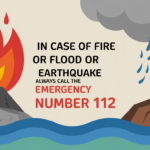
THEMIS (Tourism & Hazard Emergency Management Information System) is a pioneering initiative funded by the European Union’s Civil Protection Mechanism. Led by the General Secretariat for Civil Protection in Greece, the project addresses a critical gap in disaster preparedness: the safety and awareness of tourists visiting areas prone to natural hazards.
Greece welcomes over 30 million tourists annually to destinations exposed to earthquakes, forest fires, floods, and tsunamis. THEMIS ensures these visitors are not only aware of potential risks but equipped with practical knowledge to respond effectively during emergencies.
The Challenge

Tourists represent one of the most vulnerable groups during disasters. They often:
- Lack familiarity with local hazards and warning systems
- Don’t know emergency procedures or evacuation routes
- Face language and cultural barriers during crises
- Have limited access to local support networks
Traditional civil protection measures focus on residents, leaving a critical gap in tourist safety that THEMIS aims to fill.
Our Approach

THEMIS takes a comprehensive, multi-stakeholder approach to enhance tourist safety:
1. Assessment & Analysis
Thorough evaluation of existing preparedness measures in tourist areas, identifying gaps and mapping specific risks
2. Strategic Development
Creation of evidence-based frameworks for communication, training, and awareness tailored to tourist needs
3. Pilot Testing
Real-world implementation in Parga (mainland) and Aigina (island) to refine and validate approaches
4. Stakeholder Integration
Active engagement of authorities, tourism businesses, emergency services, and communities
5. Sustainable Implementation
Embedding outcomes in national policies and industry practices for long-term impact
Key Innovations

Tourism-Focused Design
First comprehensive framework specifically addressing tourist vulnerability in disaster scenarios
Multi-Sectoral Partnership
Unprecedented collaboration between civil protection, tourism sector, and local communities
Evidence-Based Methodology
Data-driven approach using risk mapping, demographic analysis, and behavioral research
Practical Testing
Real-world pilot programs ensuring solutions work in actual tourist destinations
Scalable Model
Transferable framework applicable to other tourist regions across Europe
Expected Impact
Immediate Outcomes
- Enhanced tourist awareness of local hazards
- Improved emergency response capabilities
- Stronger coordination between stakeholders
- Practical tools for tourism businesses
Long-term Benefits
- Reduced disaster casualties among tourists
- Increased destination resilience
- Sustainable safety culture in tourism
- European model for tourist protection
Timeline
Project Duration: 18 months
Phase 1 (Months 1-6)
Assessment, framework development, stakeholder engagement
Phase 2 (Months 7-12)
Pilot implementation, training delivery, awareness campaigns
Phase 3 (Months 13-18)
Evaluation, refinement, sustainability planning, dissemination
Geographic Focus
Pilot Sites
Parga, Epirus
- Coastal tourism destination
- Risks: Floods, forest fires, earthquakes
- Peak season: 50,000+ visitors
Aigina, Saronic Gulf
- Island tourism hub
- Risks: Earthquakes, maritime hazards, fires
- Annual visitors: 200,000+
These diverse locations provide comprehensive insights for developing adaptable solutions across different tourism contexts.
Project Values
🛡️ Safety First
Prioritizing human life and wellbeing above all
🤝 Inclusive Approach
Ensuring vulnerable groups receive special attention
🌍 Sustainability
Building lasting resilience beyond project duration
📊 Evidence-Based
Grounding all decisions in research and data
🔄 Transferability
Creating solutions applicable across Europe