
THEMIS
European Union - Civil Protection
A pioneering initiative led by the General Secretariat for Civil Protection (GSCP) in Greece, funded by the European Commission
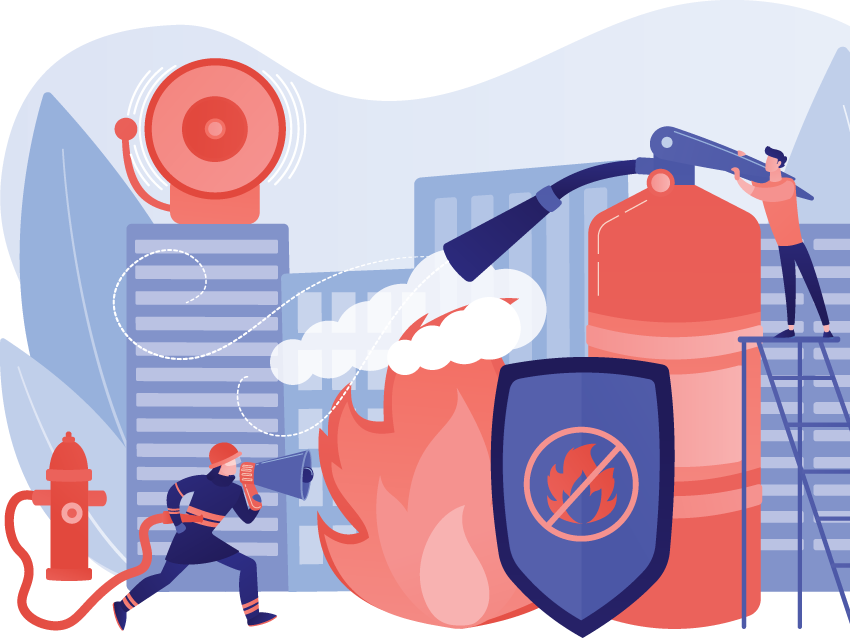
Enhancing Tourist Safety in Greece
Building Resilient Tourism Through Disaster Preparedness
The project will enhance tourist safety and disaster resilience
The project will enhance disaster preparedness capabilities among tourists visiting Greece and empower vulnerable visitor groups with practical skills and knowledge to respond effectively during emergencies. THEMIS will transform tourists from passive recipients of safety measures into active participants in disaster resilience. The results will directly strengthen the tourism sector’s emergency response infrastructure and create a comprehensive safety ecosystem connecting visitors, local communities, authorities, and tourism operators across high-risk destinations in Greece.




Our mission is to protect and prepare
The Greek tourism ecosystem hosts over 30 million visitors annually across diverse destinations exposed to natural hazards. Working with the General Secretariat for Civil Protection and local authorities, THEMIS creates a comprehensive safety network that protects lives and preserves Greece’s vital tourism industry. To build effective disaster resilience, THEMIS engages the following key stakeholders:
-
 Tourists and visitors, particularly vulnerable groups including elderly travelers, families with children, and individuals with disabilities who require tailored safety information and communication strategies;
-
Local municipalities and regional authorities in high-risk tourist destinations who need tools, guidelines, and training to effectively manage disaster preparedness and communicate risks to visitors;
-
Hotels, tour operators, and tourism businesses that serve as the first line of contact with tourists and must integrate safety protocols into their daily operations and guest services;
-
Emergency services and civil protection units including fire departments, police, and medical services that require enhanced coordination protocols for tourist-heavy areas during emergencies;
-
Community organizations and volunteer groups that support disaster response efforts and contribute local knowledge essential for effective emergency management;
-
Tourism sector professionals and safety experts who develop and implement training programs, awareness campaigns, and best practices for disaster risk reduction in tourism contexts.
Partners